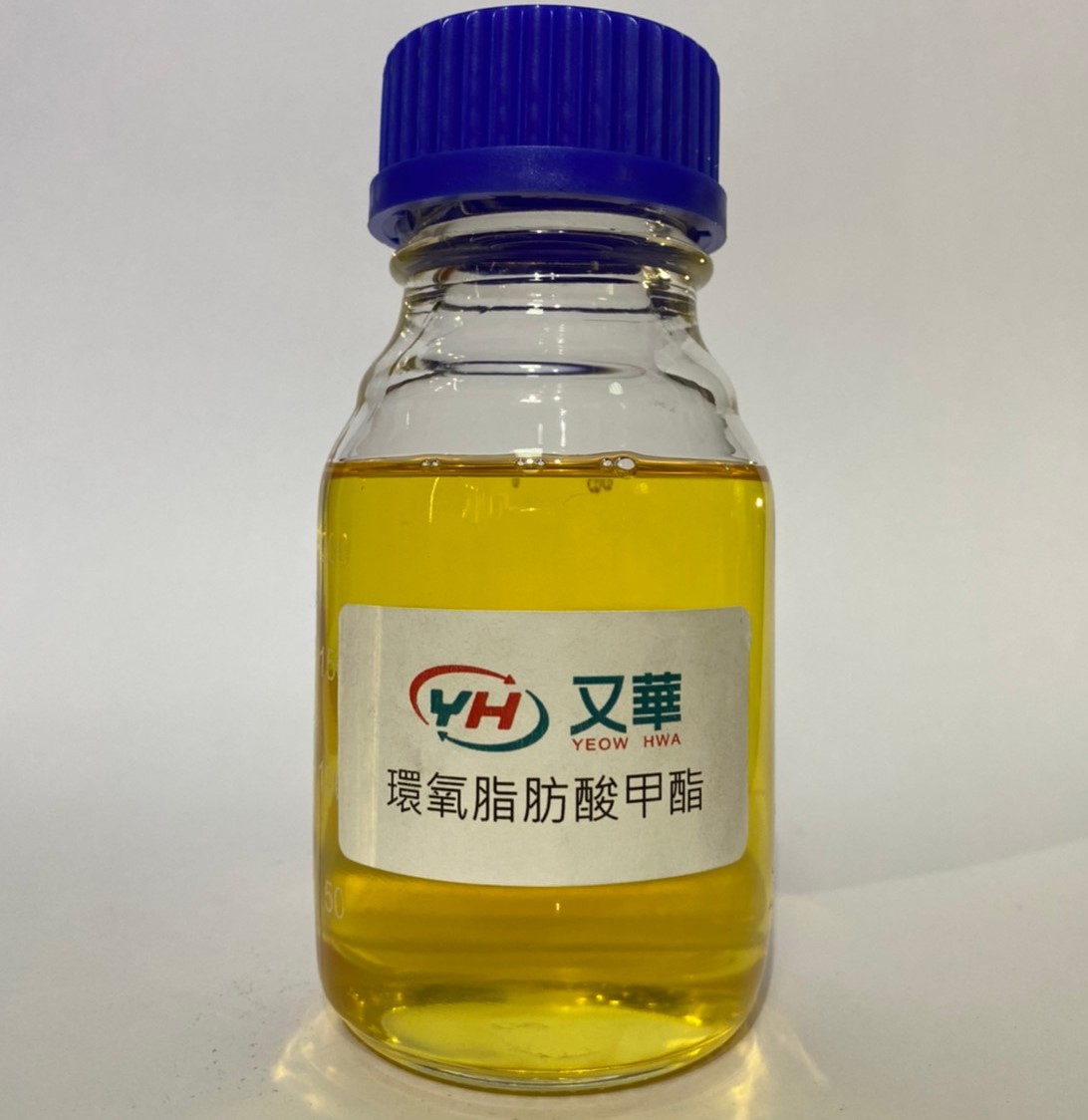
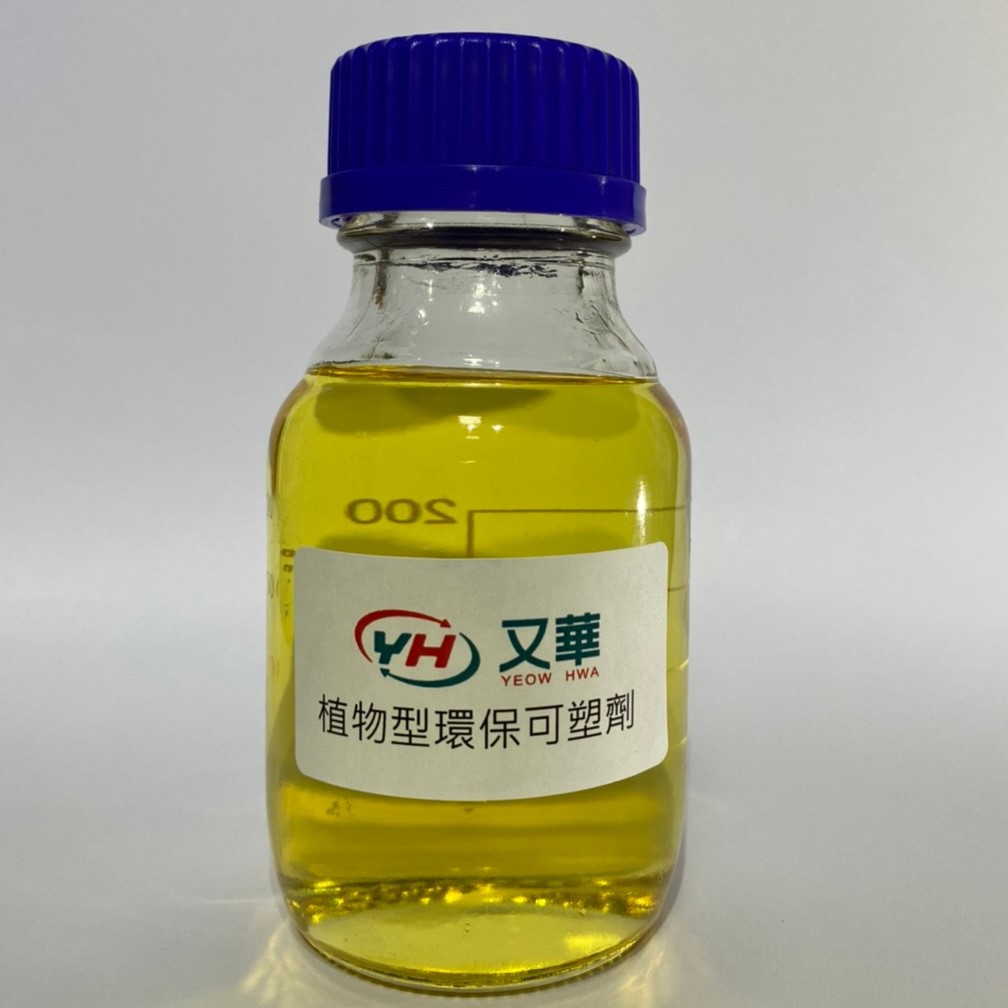
Plastics and rubber industry
The plant-based oils produced by the company offer multiple benefits and functions in the plastics and rubber industry. The following are several key applications:

The plant-based oils produced by the company offer multiple benefits and functions in the plastics and rubber industry. The following are several key applications:
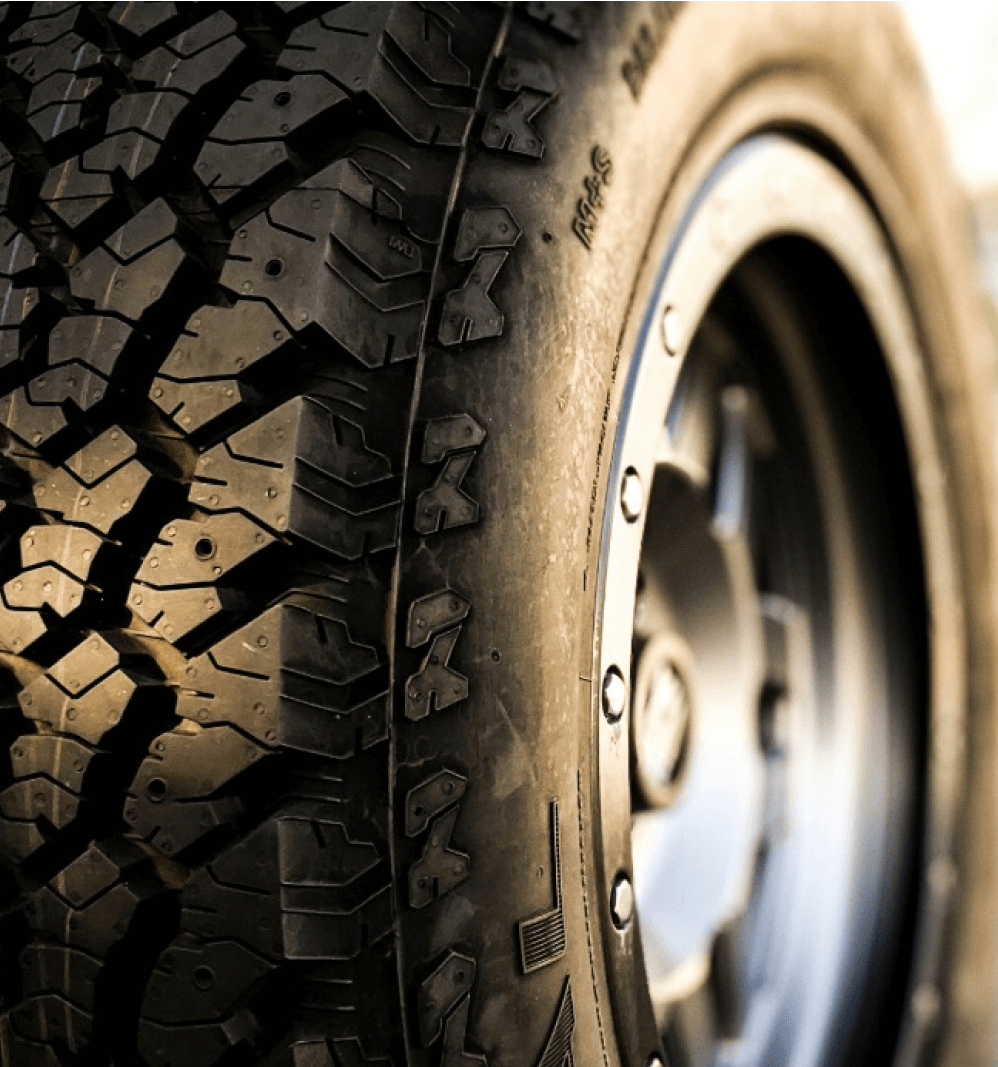
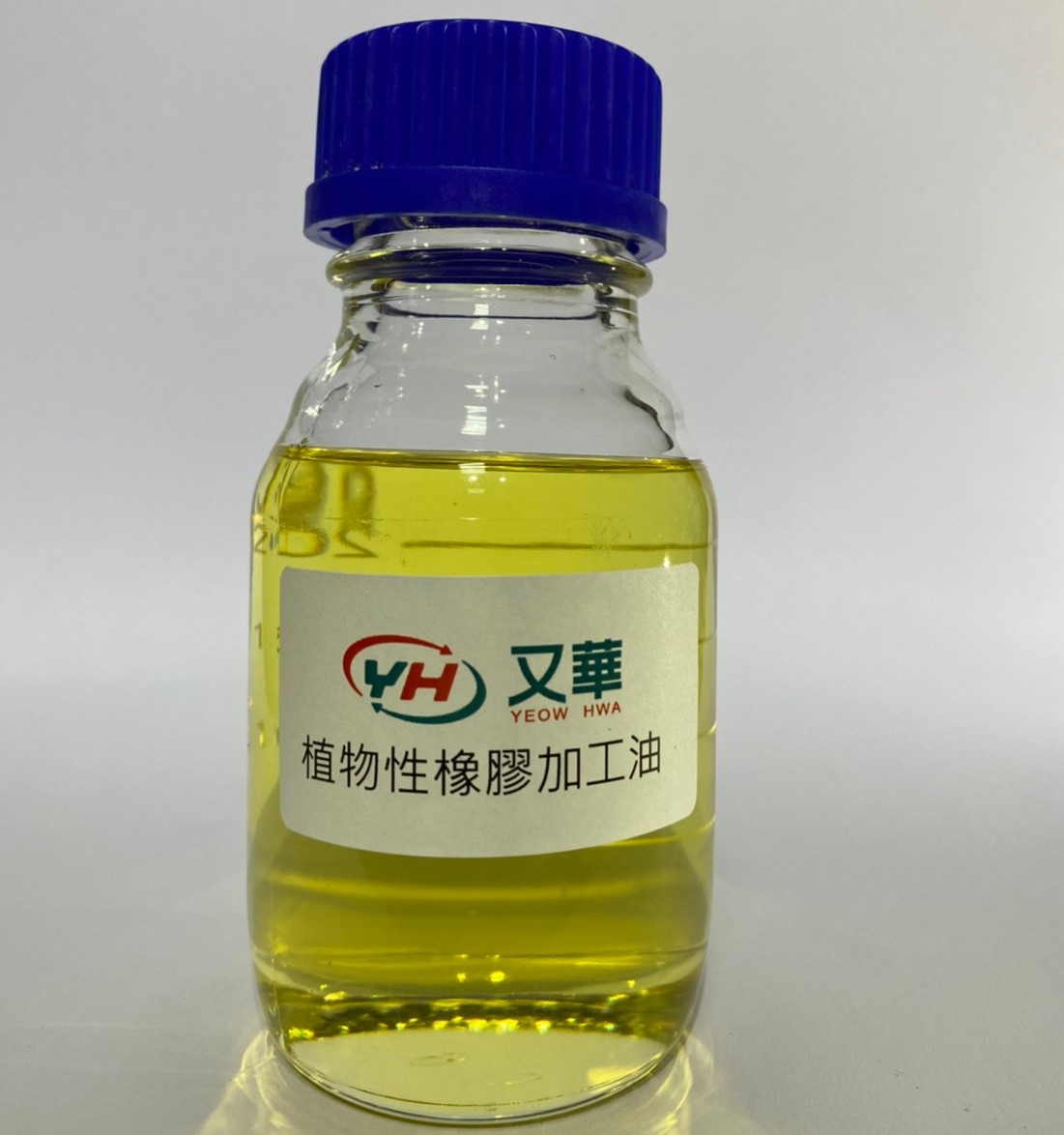
Rubber Softening Oil
Enhances elasticity and flexibility: Adding rubber softening oil to products such as tires, seals, and hoses increases the elasticity and flexibility of the rubber. This makes the rubber products more wear-resistant and better able to withstand various pressures and deformations during use.
Improves processing performance: Rubber softening oil reduces the stickiness and hardness of rubber, making it easier to shape and handle during production and processing.
Eco-friendly Plasticizers
Alternative to traditional chemicals: Used in plastic products, especially those requiring compliance with food safety and children's product safety, such as food packaging materials and toys. Eco-friendly plasticizers serve as a substitute for conventional chemical plasticizers (e.g., phthalates), reducing potential environmental and health risks.
Enhances environmental performance: Provides a more sustainable option, meeting current market demands for eco-friendly and sustainable development.
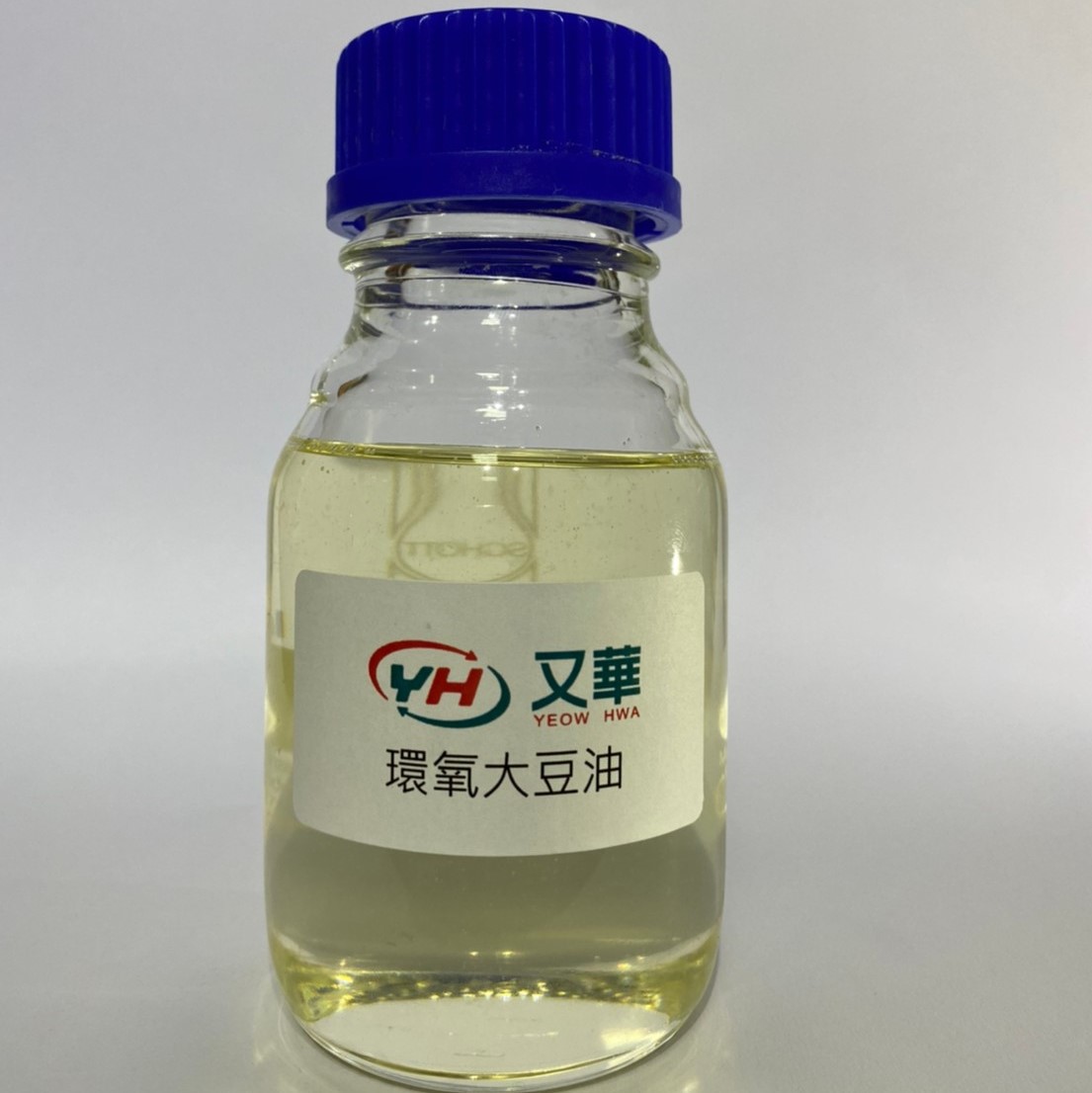
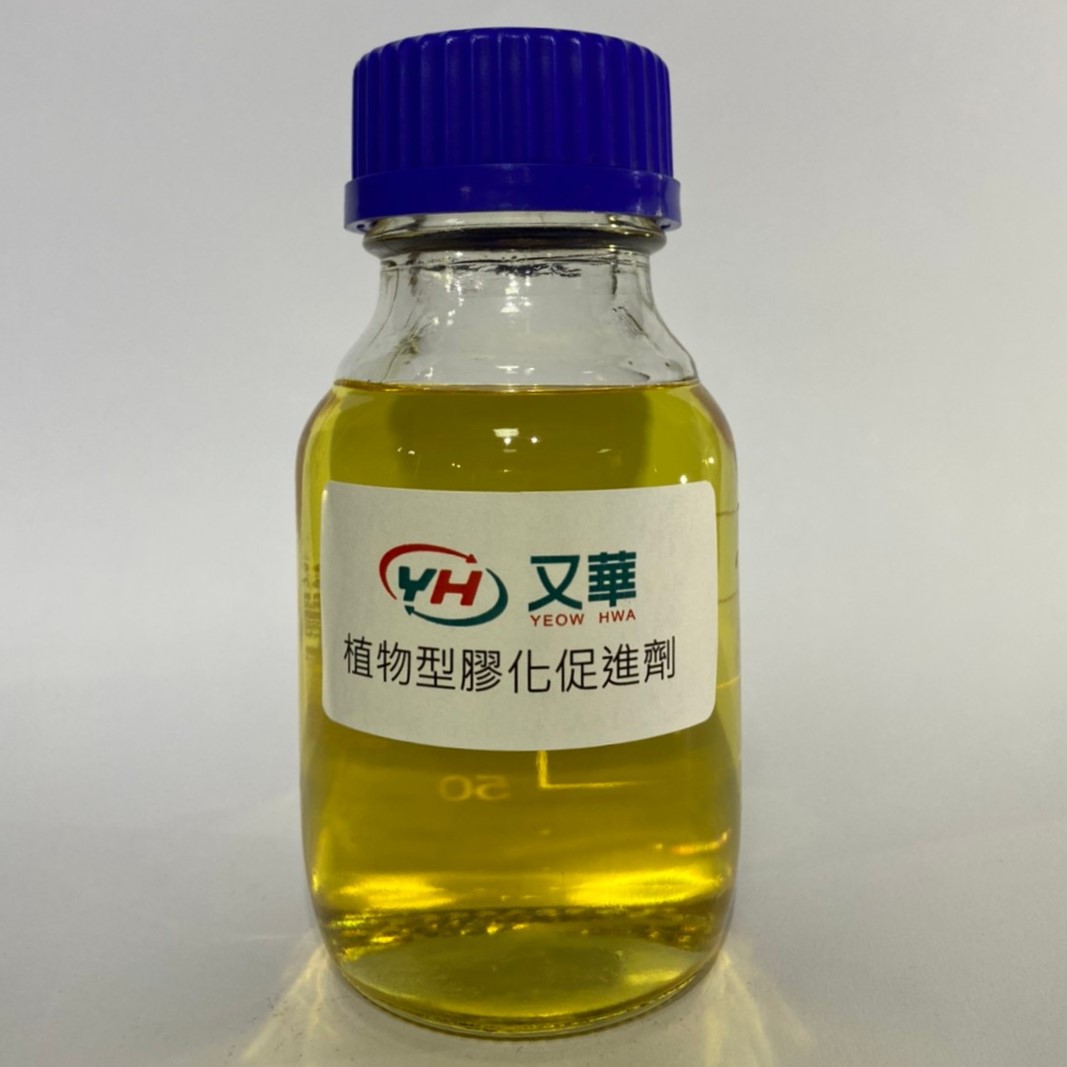
Gelling Promoters and Epoxidized Oils
Accelerates gelling process: These products speed up the vulcanization (gelling) of rubber, allowing products to reach the required technical and physical properties faster.
Improves heat and chemical resistance: Epoxidized oils enhance the heat resistance and chemical resistance of rubber and plastics, particularly in demanding applications such as automotive parts and industrial piping.
The application of these plant-based oils not only improves the physical and chemical properties of plastics and rubber products but also aligns with the global trend toward environmental protection and sustainable development.